

OWASP Top 10: the most common vulnerabilities in web applications and how to prevent them
by Andrea Aguzzoli – Software developer, Promedital
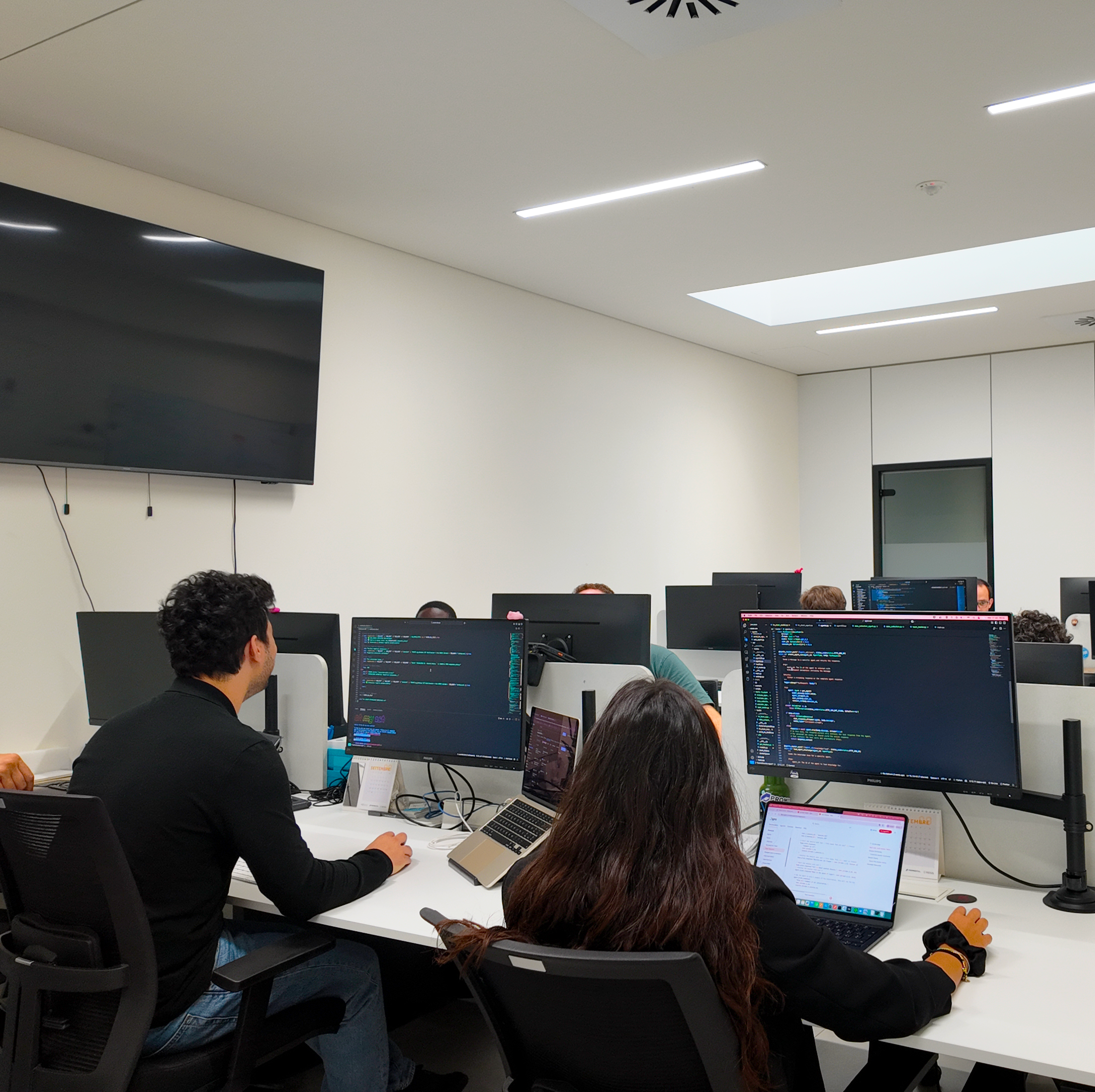
As a developer at Promedital, I had the pleasure of launching an internal training program on application security, sharing with my colleagues the main threats that every developer should know and prevent. The focus of this first module was the OWASP Top 10, a fundamental guide for anyone involved in secure software development.
What is the OWASP Top 10?
OWASP (Open Worldwide Application Security Project) is an international community dedicated to improving software security. Its Top 10 is a periodically updated ranking of the ten most common and dangerous security vulnerabilities in web applications.
This list is not just a collection of issues—it is a true starting point for building more robust, conscious, and secure applications.
The 10 most critical vulnerabilities according to OWASP
Here is a brief summary of the categories currently included in the OWASP Top 10 (2021):
- Broken Access Control – Flaws in access control mechanisms that allow unauthorized users to reach restricted data or functionalities.
- Cryptographic Failures – Incorrect or missing use of encryption techniques, exposing sensitive data.
- Injection – Insertion of malicious code into improperly filtered inputs (e.g., SQL injection).
- Insecure Design – Application architectures designed without proper security considerations.
- Security Misconfiguration – Incorrect or insecure configurations of servers, frameworks, or components.
- Vulnerable and Outdated Components – Use of libraries or modules with known, unpatched vulnerabilities.
- Identification and Authentication Failures – Weaknesses in authentication or session management.
- Software and Data Integrity Failures – Lack of integrity validation for code or data, often in CI/CD contexts.
- Security Logging and Monitoring Failures – Insufficient logging or monitoring systems.
- Server-Side Request Forgery (SSRF) – Manipulation of server requests to access unauthorized internal resources.
Why is this important for us at Promedital?
In our field—software solutions for the healthcare sector—security is not just a technical feature: it is an essential requirement. Each vulnerability can potentially compromise sensitive data, affect the operations of a hospital facility, or lead to regulatory violations.
Understanding the OWASP Top 10 allows us to develop proactively, writing more secure code and anticipating issues instead of reacting to damage already done.
Best Practices: what we can do in practice
During the course, we shared several secure development best practices that apply to any project:
- User input validation: never trust incoming data—always filter it.
- Principle of least privilege: assign users and systems only the permissions strictly necessary.
- Regular dependency updates: keep libraries and frameworks consistently up to date.
- Smart logging: monitor application behavior to detect anomalies early.
- Secure design: include security at the design stage, not as a final patch.
Security by design: building a culture of security
The goal of this training is not only technical but cultural: making security an integral part of our daily work rather than a forced add-on. By discussing it as a team, we are building the foundations for even more aware, transparent, and resilient development.
Application security is not an obstacle to speed: it is what allows us to build solutions that remain reliable over time, for us and for our clients.
If you work in web development and haven’t yet studied the OWASP Top 10, now is the right time to start.
And if you work in the healthcare sector, it’s even more important.
Leave a Reply